Author Archives: back_up

Manhattan in the Know: Treatments for Toxic Mold Exposure
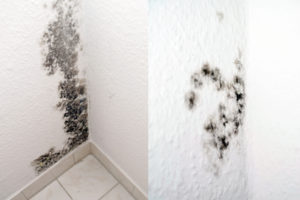
The Presence of Mold Can Seriously Impact Your Health

The Presence of Mold Can Seriously Impact Your Health

According to the Centers for Disease Control and Prevention, black mold and other varieties can cause a wide range of serious allergic reactions. If your home or building is undergoing Manhattan mold treatment, how can you treat your own health problems?

Over-the-Counter Antihistamines

Antihistamines are a traditional and effective solution for allergic reactions. They provide quick, short-term relief from a runny nose and itchy eyes, and they’re available in both sedating and non-drowsy formulas.

Decongestants

While antihistamines can reduce sneezing, they have no effect on stuffy nasal passages. Decongestant sprays can be helpful in clearing the blockage, especially at night when stuffiness can interfere with sleep. However, they frequently include sedating antihistamines, making them unsafe to use for more than a week.

Prescription Medication

If you need something stronger for long-term use, your doctor can prescribe medication. The Mayo Clinic recommends corticosteroids, which are more effective than prescription antihistamines.

Treating the Cause

Allergic symptoms result from inhaling microscopic mold spores, so you may begin feeling ill before you even know that mold is present. Once you have treated your health problems, it’s time for Manhattan mold treatment of your home or building. The CDC states that indoor humidity levels should be maintained between 40 and 60 percent to prevent future occurrence of black mold.

Efficient and Cost-Effective Manhattan Mold Treatment for Home or Office

Traditional mold remediation is costly, invasive and inconvenient. Our two-step MoldExterm treatment is usually completed within one day and involves no destruction or replacement of building surfaces.

Our cheerful and professionally-trained technicians will perform a thorough mold inspection free of charge. Contact us today for more information.

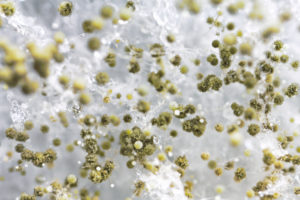
Why is Mycotoxin Toxicity Information Important to NYC Co-Op Owners?

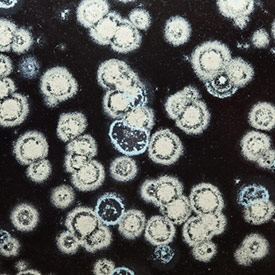
Inhaled Mold Spores Can Be Detrimental to Health

Inhaled Mold Spores Can Be Detrimental to Health

Everyone is familiar with the term “toxic mold,” but it doesn’t apply to every form of fungus found in a home or building. Here is some vital information about mold and toxicity that all NYC co-op owners should know.

What Makes Mold Toxic?

“Toxic mold” refers to species that excrete mycotoxins, which are metabolites produced in the presence of certain levels of temperature, water activity and pH balance. One of the more prevalent forms is aflatoxin, which is produced by Aspergillus, a commonly-occurring mold both indoors and outdoors.

Mycotoxins are found on mold spores as well as on the mold itself, causing them to spread to the surface where the infestation is growing. This prevalence can lead to mycotoxins entering a person’s system through inhaling, ingestion or skin exposure.

Mold also produces volatile organic compounds, or VOCs, that are responsible for the distinctive musty smell of fungi. While they are not technically mycotoxins, experiments have provided an increasing amount of evidence that VOCs can have toxic properties.

Mycotoxins and Your Health

Prolonged exposure to mycotoxins can result in physical and neurological problems. Studies suggest that these effects are the result of mycotoxins triggering the immune system and causing chronic inflammation. Up to 25 percent of the population is thought to have a genetic predisposition to the risks of mycotoxins.

Stern Mold: Your #1 Source for Effective NYC Mold Treatment

Any mold found in your co-op should be removed promptly, regardless of toxicity. Our two-part NYC mold treatment process safely eliminates mold and protects against recurrence.

Contact us today to make an appointment for a free mold inspection conducted by our friendly and professionally-trained technicians.

Mold, Now Called a BioAerosol, Can Cause Hypersensitivity Disease

Mold Spores Stay in the Air Causing Health Problems

Mold Spores Can Cause Hypersensitivity Disease

Health scientists have recently improved their understanding of why mold causes illness. As you may already know, you don’t need to touch mold to get sick, because you’re already breathing it in. Like airborne germs, mold particles infiltrate our indoor air as a “bioaerosol.”

Bioaerosols such as mold and other fungi are known to cause allergy-related illnesses called hypersensitivity diseases.

Hypersensitivity diseases take many forms depending on the type of mold exposure and the individual. The four most common mold-related illnesses according to NJDOH are:

Building-related asthma: Coughing, shortness of breath, chest pains. May occur immediately or hours later.

Allergic rhinitis: Itchy eyes and runny or stuffy nose symptoms.

Hypersensitivity pneumonitis: Fever, coughing, fatigue, weight loss, and other acute symptoms of pneumonia. Often comes back repeatedly.

Humidifier fever: Fever, chills, and cold symptoms associated with mold or other biotoxins being dispersed by a humidifier.

Unfortunately, once a person has a hypersensitivity, just a small amount of the mold particles can re-trigger the symptoms at any time. So, if your home has a mold infestation you need to bring in our NJ mold treatment professionals.

Stern’s NJ Mold Treatment Offers Permanent Protection

Typical household cleaners can only partially remove a mold problem, and untreated mold spores can easily grow back.

Stern Mold uses a two-part process of antimicrobial cleaning followed by a polymer seal. We destroy the mold, then add a blocking layer so the spores will never cause another outbreak. You can breathe easy, especially because our NJ mold treatment doesn’t require breaking into walls and ceilings.

Take action to prevent asthma and allergy problems and schedule a free estimate for NJ mold treatment today.

NJ Gets Serious about Mold Calling It a BioAerosol

Mold is Now Called a BioAerosol

Mold is Now Called a BioAerosol

If the name bioaerosol sounds a bit scary, there’s a reason for that. Although bioaerosols are naturally occurring all around us, too many of them can cause disease or illness. Mold has been identified as a source of potentially hazardous bioaerosol particles, making it all the more important to call for NJ mold treatment after discovering mold.

Bioaerosols include tiny airborne microorganisms and their waste. In addition to mold, others include algae, bacteria, the flu virus, dust mites, and cat dander. Mold fungus creates tiny particles that invade the air around us, especially when mold grows indoors.

Health Effects of Bioaerosols

Our bodies can typically defend against small amounts of bioaerosols. Health problems start with pathogenic species or simply too many particles. Breathing in mold affects people who already have asthma or another respiratory condition, but anyone might become sick or develop allergic responses to mold.

The NJ Department of Health warns that mold bioaerosols can cause hypersensitivity diseases, which include asthma, rhinitis, pneumonitis, and humidifier fever. When such illnesses exist with the known presence of mold, it can be assumed that the mold is at least partially to blame.

Protection Against Mold Exposure

If you have found mold, the area must be thoroughly cleaned and treated. Our NJ mold treatment service comes with a free inspection to confirm the presence of mold. A deep cleaning of the home, including the HVAC system, may be necessary. However, the source needs to be cleaned so it does not continue releasing bioaerosols into the home.

Contact Stern Mold to schedule a visit and learn how our NJ mold treatment both eliminates mold and prevents it from returning.

Top Mold Exposure Questions for NYC Residents

Got Questions About Mold?

Got Questions About Mold Exposure? Get the Answers From Stern Mold.

The effects of a mold infestation in your home or building are more far-reaching than you may realize. Our NYC mold treatment experts answer some of the top questions you might have about mold exposure.

Common Questions About Mold Exposure

1. Is it sufficient to clean only major items and surfaces such as furniture, clothing and carpeting?

When it comes to mold, there’s no such thing as “spot” cleaning. Due to their microscopic size, mold spores are present everywhere. Be sure to clean decorative accessories, canned foods, toiletries and everything inside your home or building.

2. How do I clean electronic devices such as computers and TVs?

Clean the casings, then vacuum the openings to extract dust and mold spores.

3. What’s the best way to handle paper items like books and documents?

  • Books that have remained closed should be vacuumed carefully, but any books that were open should be discarded.
  • Photos can be washed, but frames made from a porous material should be thrown away.
  • Documents should be copied or scanned, then the originals should be destroyed.

4. Should I use a fresh cleaning cloth for each item?

The cleaning process alternates between wiping and vacuuming, so you can reuse one cloth.

5. Do I need a special type of vacuum cleaner?

Use a vacuum with a HEPA filter and replace the filter when you are done cleaning.

Stern Mold: The Leader in Effective NYC Mold Treatment

Our proprietary MoldExterm system eliminates mold and leaves behind a protective barrier that prevents future recurrences. Contact us today and schedule a free mold inspection of your home or building with one of our experienced technicians.

« Older Entries Recent Entries »