Author Archives: back_up

Manhattan Mold a Problem in Student Housing and Universities

Group of college students leaning on banister

Students in College Housing Can be Exposed to Mold in Manhattan.

College life brings a host of health dangers due to so many people sharing close quarters in the classes and dormitories. New research indicates that universities may also be harbingers of toxic mold. The typically young, healthy age group of college students does not make them immune to the harmful effects of mold.

Scientists surveyed students at one university over a period of time to collect data on dampness and mildew on campus. The report deserves a full read by anyone interested in the facts about mold toxicity in rental housing. The bottom line is that college students are at risk for mold-related respiratory issues.

Mold in College Dorms

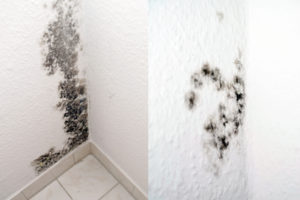
In Manhattan and other densely populated areas, mold infestations can easily affect numerous people. Mold spores spread wherever moisture and food sources are present. Failure to dry out mildewy areas or to bring in a Manhattan mold treatment service can make matters worse.

The scientists suspect that college students may not clean up as well as homeowners, and students may not report mold problems early enough. Apartment renters have the same problem and, unfortunately, tenants or students have little motivation to correct mold problems in temporary housing.

With students moving in and out of college campuses regularly, and mold problems going unnoticed, it seems that university staff should always keep an eye on the problem and call our Manhattan mold treatment service whenever any sign of mold has been detected.

Rental property owners and college administrators alike can contact Stern Mold for a free inspection to find out if you need Manhattan mold treatment before the problem endangers residents or damages property.
Other Health Effects That You May Not Commonly Think Would Be Caused by Mold

Spring Brings Along Allergies... and so Does Mold.

Spring Brings Along Allergies… and so Does Mold.

When left untreated, indoor mold can cause serious cosmetic and structural damage to your NJ home or building, but it poses an even bigger threat to your health. How much do you know about the physical effects of mold exposure?

Allergic Reactions

Mold spores commonly trigger upper-respiratory allergic reactions, even in people who are not normally sensitive, so you may already be aware of this health problem. Symptoms frequently include sneezing, wheezing and red, itchy eyes.

Due to its impact on the upper respiratory system, mold exposure can aggravate and intensify symptoms in people with asthma. Inhaling mold spores can also lead to hypersensitivity pneumonitis, a pneumonia-like disease characterized by fever, coughing and fatigue.

Rashes

Inhaling spores is not the only way to be physically affected. If you come into contact with mold, the irritants it contains can cause an inflammatory response resulting in a skin rash.

Infections

Individuals with compromised immune systems are vulnerable to mold-related infections such as aspergillosis, which occurs when fungus is present in the lungs.

What’s That Smell?

Microbial volatile organic compounds, or mVOCs, are the compounds that give mold its distinctive musty odor, but they have also been linked to symptoms such as fatigue, nausea, dizziness and headaches.

The Stern Difference in NJ Mold Remediation

Killing mold is not enough to remove the threat. The infestation must be totally removed from the affected area. Our two-step MoldExterm treatment removes mold from all surfaces and includes a polymer sealer to prevent future reoccurrences.

Contact us today to schedule a free mold inspection and learn why Stern is the leading name in NJ mold remediation.

Crawl Spaces – the Hidden Space Mold Loves

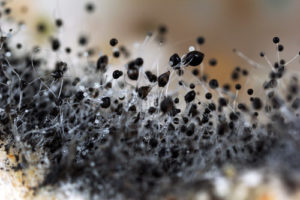
Mold Spores Found in a Crawl Space

Mold Spores Found in a Crawl Space

Crawl spaces turn into mold incubators whenever spores are present and the relative humidity goes above 50%. Mold does not need much warmth or sunlight to grow.

Give it some water and food — any kind of wood or paper serves as food for mold — and suddenly you’ll have a mold infestation on and around the building’s structure, and spreading fast.

Moisture enters crawl spaces in several ways:

  • Plumbing leaks
  • Crawl space vents allow moist air in
  • Moisture evaporates from the ground below and gets trapped
  • Rainwater drainage problems cause pooled water

If you think you have mold under your building, get a free inspection for NYC mold remediation so you know. As the EPA points out, toxic mold can be any color (not just black) and can cause health problems even when dead or inactive.

How to Remediate Mold in a Crawl Space

For starters, find the water source first. Major problems like plumbing leaks should be repaired to stifle the mold growth conditions.

Once a leak or standing water issue has been fixed, you’ll still need an NYC mold remediation service to assess conditions and prevent mold. Relative humidity tends to be higher in a cool crawl space, so mold spores can regrow with only a small amount of moisture present.

Fortunately, it’s now possible to treat crawl space mold without needing to rip out everything and rebuild. Stern Mold uses bio remedial mold treatment consisting of antimicrobials and a polymer seal that ensure mold colonies are destroyed and prevented from coming back.

Our NYC mold remediation service comes with a guarantee. Call 888-887-8376 or contact us online for a free inspection and quote.

Pamela Stern is Our Certified Environmental Hygienist

Your Satisfaction with Our Mold Removal Treatment is Guaranteed!

Your Satisfaction with Our Mold Removal Treatment is Guaranteed!

As we learn more about the effects of mold and other toxins in the environment, agencies like the EPA have instituted regulations designed to protect workers. Pamela Stern, our certified environmental hygienist, can help you make sure your workplace is compliant.

The Emerging Field of Environmental Hygiene

An environmental hygienist is sometimes referred to as “industrial hygienist,” while the global term is “occupational hygienist.” Regardless of the name, the job involves evaluating the levels of biological and chemical contaminants in a workplace and taking steps to maintain acceptable standards.

The principle qualification of an environmental hygienist is at least a bachelor’s degree in a biological or physical science which provides training in identifying and containing hazardous substances. Some schools have begun offering environmental hygiene as one of their degree programs.

Focus on a Healthy Workplace

In addition to their extensive knowledge about hazardous substances, environmental hygienists understand the effects they can have on physical and mental health. Since different industries use different products, each workplace should be assessed independently.

The primary role of an environmental hygienist is protecting workers from the unique risks presented in their workplace. Activities include establishing safe exposure limits and developing strategies to keep contaminants under control.

Need Effective NYC Mold Removal? Contact Stern Mold

Pamela is part of our team of trained professionals who are experienced in NYC mold removal. Our eco-friendly MoldExterm program eliminates mold more quickly and cleanly than traditional remediation, while the proprietary polymer sealer protects against future infestations.

Are you ready to get “Stern” with your mold problem? Contact us today to schedule a free mold inspection.

Mold Spores Can Live for Thousands of Years Waiting for the Right Conditions to Grow

Protect Yourself with Our Help!

Protect Yourself with Our Help!

Everywhere you look, our world is filled with microorganisms, which include mold spores. Mold infestations often start not because mold spores have suddenly invaded your home, but rather because the spores were already there — and now they have the right conditions to grow.

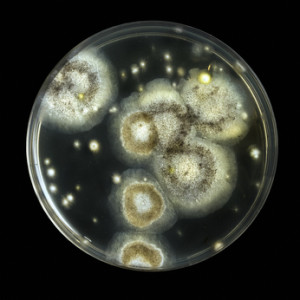
Mold biology works very differently than animals and plants. Mold starts with spores that can lie dormant indefinitely. Dormant spores stay inactive if they don’t sense the right combination of moisture, temperature, air, and food. When something changes, the dormant spores start actively growing mold.

Be aware that mold spores are probably present in or near your home already, so if you see any signs of mold, be quick to call for mold treatment. Today’s mold removal methods are far less invasive than traditional mold remediation.

Inactive Mold or Active Mold?

If you have found mold in your home, be careful. Breathing in the spores can harm your respiratory system regardless of whether the spores are active or inactive.

A free mold inspection can help bring you peace of mind. You might have found inactive mold, but it’s possible that disturbing it has actually activated it!

Do You Need to Treat Inactive Mold?

Any indoor mold should be treated, especially because seemingly “dead” mold might become reactivated by moisture. Proper mold cleanup involves more than just disinfecting the area. Spores should be sealed off so they don’t activate, and the conditions for mold growth should be avoided.

Worried about mold remediation disturbing your home? There’s a newer, more scientifically advanced way. Contact us at Stern Mold to schedule a free inspection and quote for our two-step MoldExterm removal and treatment system.

« Older Entries Recent Entries »