Category Archives: Mold Information

Pamela Stern is Our Certified Environmental Hygienist

Your Satisfaction with Our Mold Removal Treatment is Guaranteed!

Your Satisfaction with Our Mold Removal Treatment is Guaranteed!

As we learn more about the effects of mold and other toxins in the environment, agencies like the EPA have instituted regulations designed to protect workers. Pamela Stern, our certified environmental hygienist, can help you make sure your workplace is compliant.

The Emerging Field of Environmental Hygiene

An environmental hygienist is sometimes referred to as “industrial hygienist,” while the global term is “occupational hygienist.” Regardless of the name, the job involves evaluating the levels of biological and chemical contaminants in a workplace and taking steps to maintain acceptable standards.

The principle qualification of an environmental hygienist is at least a bachelor’s degree in a biological or physical science which provides training in identifying and containing hazardous substances. Some schools have begun offering environmental hygiene as one of their degree programs.

Focus on a Healthy Workplace

In addition to their extensive knowledge about hazardous substances, environmental hygienists understand the effects they can have on physical and mental health. Since different industries use different products, each workplace should be assessed independently.

The primary role of an environmental hygienist is protecting workers from the unique risks presented in their workplace. Activities include establishing safe exposure limits and developing strategies to keep contaminants under control.

Need Effective NYC Mold Removal? Contact Stern Mold

Pamela is part of our team of trained professionals who are experienced in NYC mold removal. Our eco-friendly MoldExterm program eliminates mold more quickly and cleanly than traditional remediation, while the proprietary polymer sealer protects against future infestations.

Are you ready to get “Stern” with your mold problem? Contact us today to schedule a free mold inspection.
Mold Spores Can Live for Thousands of Years Waiting for the Right Conditions to Grow

Protect Yourself with Our Help!

Protect Yourself with Our Help!

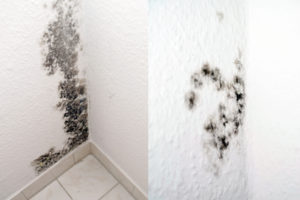
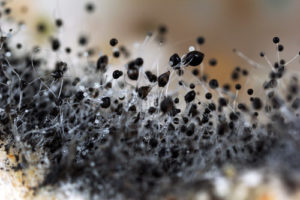
Everywhere you look, our world is filled with microorganisms, which include mold spores. Mold infestations often start not because mold spores have suddenly invaded your home, but rather because the spores were already there — and now they have the right conditions to grow.

Mold biology works very differently than animals and plants. Mold starts with spores that can lie dormant indefinitely. Dormant spores stay inactive if they don’t sense the right combination of moisture, temperature, air, and food. When something changes, the dormant spores start actively growing mold.

Be aware that mold spores are probably present in or near your home already, so if you see any signs of mold, be quick to call for mold treatment. Today’s mold removal methods are far less invasive than traditional mold remediation.

Inactive Mold or Active Mold?

If you have found mold in your home, be careful. Breathing in the spores can harm your respiratory system regardless of whether the spores are active or inactive.

A free mold inspection can help bring you peace of mind. You might have found inactive mold, but it’s possible that disturbing it has actually activated it!

Do You Need to Treat Inactive Mold?

Any indoor mold should be treated, especially because seemingly “dead” mold might become reactivated by moisture. Proper mold cleanup involves more than just disinfecting the area. Spores should be sealed off so they don’t activate, and the conditions for mold growth should be avoided.

Worried about mold remediation disturbing your home? There’s a newer, more scientifically advanced way. Contact us at Stern Mold to schedule a free inspection and quote for our two-step MoldExterm removal and treatment system.

What Mold Needs to Grow – Moisture, Oxygen, Food Source

Mold Spores

Know the Conditions For Mold Growth so You Can Prevent It

As a type of fungus, mold spores need water, air, and some form of food in order to grow and spread. Suspect mold at your home or office? Know the conditions for mold growth, and you will be better prepared to choose a NYC mold remediation technique that wipes them out and prevents future mold growth.

Mold and Moisture

Water can be called the source of life. Unfortunately, that holds true for mold. Leaks and floods often cause mold infestations, but it only takes a tiny bit of water to feed a mold colony.

Red flags for the moisture needed for mold growth include:

  • Plumbing leaks
  • Moisture around sinks and bathrooms
  • Roof leaks
  • Condensation
  • Sprinkler or hose water entering the building

Oxygen Respiration of Mold

Like many organisms, molds also require oxygen. This makes it possible for a polymer sealant to effectively block future mold growth.

Food Sources for Mold

Mold colonies get their food from any organic matter — but we’re not talking about health foods.

Wood, wallpaper, fabric and upholstery, or even plants and soil can all feed mold. Your NYC mold remediation provider will check cabinets, walls, ceilings and other building materials made with organic substances to eradicate the entire colony.

Preventing the Conditions for Mold Growth

For years, the typical NYC mold remediation process involved ripping out walls and cabinets to remove the spores the way you would remove asbestos. Today, we have advanced mold treatment methods that block out moisture and protect your property without having to disturb the structure.

Contact us for a free inspection and quote and find out more about our scientifically advanced NYC mold remediation service.

What the EPA Wants You to Know About Mold

Mold colonies

Act Quickly To Clean Up And Control Mold As Soon As It’s Found

Your health and your home are both threatened by mold growth, and the Environmental Protection Agency stresses the importance of acting quickly to clean up and control mold as soon as it’s found.

The EPA mold guide lays out the basic facts about mold:

  • Mold is common. Nobody should be surprised by the presence of mold. The important thing is controlling its growth if it spreads on indoor surfaces.
  • Mold causes health problems. Respiratory issues including asthma attacks and allergic reactions are common health problems caused by toxic mold.
  • Moisture makes mold grow. Molds need humidity to thrive. If you want to prevent the problem from recurring after you’ve brought in a NJ mold removal service, you need to make sure that the process includes stopping the moisture at its source.

What the EPA Says about Mold Cleanup

The EPA recommends cleaning up very small patches of mold by scrubbing with detergent and water. Be careful, however, because you need to wear protective clothing and equipment to reduce the risk of toxic mold-related health problems.

If the mold has gotten inside of a wall or ceiling, or the mold has spread to an area larger than about 10 square feet, the EPA advises you to find a mold removal professional. Our MoldExterm system uses EPA-registered antimicrobials for our NJ mold removal services.

If you’ve found mold growing in your home or business, Stern Mold can help by actually killing and removing the mold — and also treating surfaces to prevent mold from coming back ever again. Contact us today to schedule a free inspection and quote for our NY and NJ mold service.

Pamela Stern is Our Professional Industrial Hygienist

Introducing Pamela Stern, whose Many Duties Include Evaluating Hazardous Conditions in the Workplace

“Sick” workplaces can have a negative impact on the health of employees as well as people in the surrounding community. Pamela Stern, our professional industrial hygienist on staff, has extensive experience in recognizing, evaluating and controlling stressful environmental factors such as mold and fungus.

Becoming a Professional Industrial Hygienist

In order to achieve the designation of professional industrial hygienist, an individual must meet specific academic and field criteria.

  • A candidate must hold a bachelor’s degree in engineering, chemistry or related biological or physical science from an accredited institution.
  • In addition, the individual must have completed at least three years of industrial hygiene experience.
  • A master’s degree equates to one year of experience while a doctorate can count for two years, but that is the maximum amount of work experience that may be waived.

Certified Industrial Hygienist

The American Industrial Hygiene Association recommends that all eligible members attain certification from the American Board of Industrial Hygiene. Requirements include:

  • Academic training along with four years of work experience
  • Passing a one-day exam
  • Staying active by applying for recertification every five years

As a professional industrial hygienist, Pamela’s responsibilities include evaluating hazardous conditions in the workplace, developing methods to treat and control possible risk factors, and training workers in proper heath and safety procedures.

Stern Mold: The Leader in Manhattan and NYC Mold Removal

Our first-class mold removal team includes Pamela along with our other professionally-trained and experienced technicians. Don’t take chances with the health of employees and others in the community. Contact us today to schedule a free mold inspection and learn more about our unique and effective MoldExterm program.

« Older Entries Recent Entries »