Category Archives: Mold Information

Mold 101: How Mold Poisons Your Body

Mold and Your Health

By definition, a biotoxin is literally a poison produced by a living organism such as mold. Once a biotoxin is ingested into your system, it triggers a chain of processes that can lead to a variety of serious health problems.

How Biotoxins Evade the Immune System

Your body’s immune system serves as the front line of defense against biotoxins and other foreign substances. In most cases, the immune system recognizes the biotoxin as an invader and proceeds to break it down and remove it via the liver.

Complications arise with individuals who don’t have a sufficient supply of HLA-DR, the gene that forms antibodies to target the biotoxin. At this point, the rogue biotoxin cells are free to travel throughout the body.

Biotoxin-Related Symptoms and Illnesses

As the biotoxin starts binding to surface receptors, it generates an inflammatory response which increases the level of cytokines. Resulting symptoms include headaches, fever and inability to concentrate.

The situation is compounded when cytokines begin binding to the receptors, which serves to suppress production of alpha melanocyte stimulating hormone (MSH). Low levels of MSH can cause development of the following symptoms:

  • Insomnia and other sleep disturbances
  • Gastrointestinal problems or “leaky gut” syndrome
  • Infections
  • Excessive thirst and frequent urination
  • High blood pressure

Safeguard Your Health with Effective Manhattan Mold Treatment

When exposure to mold continues, biotoxin-related illnesses can become chronic and more difficult to treat. Stern Mold uses a two-step process that provides safer, less invasive and more cost-effective Manhattan mold treatment than traditional remediation.

Contact us today to schedule a free inspection conducted by our cheerful and experienced Manhattan mold treatment technicians.

Mold 101: Prolonged Mold Exposure May Cause Cognitive Issues

Mold May Be More Dangerous Than You Think.

Mold May Be More Dangerous Than You Think.

Much has been written and documented about exposure to mold spores triggering upper respiratory allergic reactions. Researchers are now discovering disturbing evidence pointing to a link between the body’s inflammatory response to mold and structural changes in the brain.

How Inflammation Affects the Brain

A semi-permeable membrane known as the blood-brain barrier protects the brain from neurotoxins while allowing passage of water, glucose and other molecules that are necessary for neural function. Inflammatory reactions can loosen the tight junctions binding the BBB cells, compromising their ability to control what moves in and out.

TGF beta-1 and and IL-1B are two of the specific compounds that produce this inflammatory response in the BBB. Scientists have also found that elevated levels of these substances are present in patients who have developed chronic inflammatory response syndrome after exposure to moldy interiors in water-damaged buildings.

Mold and Cognitive Functions

NeuroQuant is a sophisticated software program used to assess patients with traumatic brain injuries based off of a specifically-run MRI. When NeuroQuant was used to evaluate the brains of patients with mold illness, preliminary results indicated a “unique fingerprint” of changes in white matter volume along with structural gray matter damage.

Previously, there had been some doubt as to whether there is a connection between mold exposure and cognitive brain damage. As researchers verify and expand the study, it appears that we may shortly have a definitive answer to this question.

Stern Mold: The Leaders in Effective Manhattan Mold Removal

Our eco-friendly two-step MoldExterm treatment is a cost-effective and non-invasive solution for Manhattan mold removal. Contact us today to schedule a free mold inspection by our friendly and professionally-trained technicians.

Mold 101: Could Mold Cause Pneumonia or Similar Symptoms?

Could Mold Cause Pneumonia or Similar Symptoms?

Could Mold Cause Pneumonia or Similar Symptoms??

Mold inside your home or business can cause occupants to suffer the same symptoms as the flu and other respiratory allergies. If you are experiencing a runny nose, coughing, sneezing, itchy eyes or a sore throat, you may dismiss these symptoms as seasonal allergies or perhaps the annual flu season. However, it could be a mold allergy.

The Mayo Clinic says that when anyone with a sensitive immune system inhales mold spores, their body releases histamine. This can cause coughing, sneezing, sore chest, and other flu-like symptoms. Mold allergy symptoms can be different for each person and possibly lead to serious illness. If you or anyone you know is experiencing what could be mold allergy symptoms or possibly pneumonia, see a doctor right away. Your doctor will use your medical history, a physical exam, and chest X-ray to diagnose your condition and prescribe treatment.

Diagnosing any type of allergy can be a complex process. It involves allergy testing and identifying the source of the problem. Since the symptoms of mold allergies and other respiratory problems are so similar, doctors may not suspect your building is the source of your health problem initially. If you suspect your building has mold, call one of the top Manhattan mold removal companies for a free inspection. MoldExterm is a quick, cost-effective alternative to traditional mold remediation that does not involve tearing out walls disrupting your business.

If you own a business in New York, New Jersey, or Long Island, don’t take any chances with the health of your employees. Call Stern Mold for an inspection and free consultation. We are one of the top Manhattan mold removal companies.

Mold 101: Mold and Fungi Grow with Mycelium

Not The Fungus You Want

The Similarities

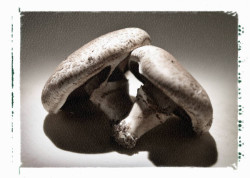
Mold, fungi and mushrooms all have one thing in common. It’s called the mycelium, which is the vegetative or growing body of any given fungus. That may seem strange to understand, so let’s use the common mushroom as an example.

Mushroom Mycelium

Many people think that a mushroom is the entire plant, but that couldn’t be further from the truth. In fact, the mushroom is actually the fruit of the mycelium, which grows and thrives beneath the surface of the ground. When two different mycelium meet underground, they join together and produce a fruiting body, in this case a mushroom, and that fruit is what you see above the surface of the ground. The fruiting body produces spores which travel through the air, landing on the ground and growing into new mycelium.

Bathroom Mold Mycelium

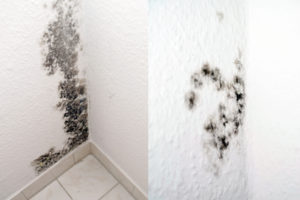
Mold, essentially, works the same way as the mushroom. The mycelium looks for cracks and crevices in which to anchor and grow from, which is why the grout on bathroom tile is so appealing.

Once growing, and just like the mushroom, when two mycelium come into contact they send up a fruiting body, but in the case of bathroom mold, these bodies are microscopic. Then again, just like the mushroom, the fruiting bodies send out spores through the air, and the spores will land in other areas and begin to grow.

When it comes to Manhattan mold treatment, Stern Mold is the expert. If you have any questions about black mold, testing and how to get rid of it, please contact us for a free mold inspection. Your Manhattan mold treatment always begins with Stern Mold.

Mold 101: Mold Biology – the Facts for NYC & NJ Residents

Let Us Rid Your Home or Office of Mold!

All About Mold

Over the last few years a lot of attention has been paid to mold in homes and businesses in NYC and NJ. But how much do you actually know about mold, other than it’s the green slimy stuff that turns up on dead tree logs?

Your family’s health could depend on your awareness of mold. Here are some facts about mold, how it develops and grows, and how to fight it.

How Does Mold Grow?

Whether it’s called mold or mildew, these tiny organisms are simple life forms that, unlike many plants and other organisms, lack the ability to photosynthesize, which is creating food from carbon dioxide and water. Mold absorbs its nutrients from organic materials like the aforementioned logs or common household surfaces such as carpeting, paper and food products.

Mold spores are present in the atmosphere everywhere, and you come in contact with them daily. Problems arise when a spore settles on a damp surface and begins to multiply. Eventually the mold will appear as a circular spot due to outward growth of the hyphae, which are the filament-like forms taken by the organisms.

Fighting Mold from the Bottom Up

Due to the nature of mold’s life cycle, it’s not enough to clean up an infestation no matter how thoroughly it’s done. The cause of the moisture, whether it’s a water leak or excessive humidity, must be corrected to prevent future developments.

Contact Us for Effective Manhattan Mold Removal and Prevention

Our proprietary two-step MoldExterm Manhattan mold removal process uses a powerful anti-microbial to eliminate mold and leaves a polymer sealer behind to prevent future infestations. Visit our website to learn more.

« Older Entries Recent Entries »