Category Archives: Mold Information

Where to Look for Mold in NYC Apartments and Co-ops
Know the Facts About Mold.

Know the Facts About Mold.

Due to the combination of aging buildings and increased consumer awareness, there has been a significant increase in lawsuits involving mold and fungus in NYC apartments and co-ops. Here are three red flags that could signal the right conditions for mold development.

1. Leaks from Neighboring Units

If an upstairs or next-door unit experiences a broken pipe or flooding, mold could be developing out of sight behind your apartment walls. Water leaks are actually more common in newer buildings, which use plastic instead of copper or galvanized steel for water lines.

2. Blocked PTAC Units

A packaged terminal air conditioner, or PTAC, is a self-contained heating and cooling system often found in apartment buildings and condominiums. These units are installed through the wall and require twice-yearly maintenance. If the drain becomes clogged because of a dirty filter, the condensate pan will leak and the damage can go undiscovered until it’s too late.

3. Broken Washing Machine Hose

Even today’s high-end washing machines usually come with rubber hoses that eventually develop leaks. You can head off damage by replacing the original hose with one that’s wrapped in stainless steel, which can be purchased fairly inexpensively at hardware or home improvement stores.

Stern Mold: Your #1 Choice for Mold and Fungus Removal in NYC

Traditional mold and fungus remediation involves removal of affected surfaces, which often results in scattering mold spores throughout the home. Our non-invasive MoldExterm system usually takes no more than a day and includes a polymer sealer to resist future mold infestations. Contact us to schedule your free mold inspection by our friendly and professionally-trained technicians.


NYC Housing Has Mold Problems – What to Know

NYC Is a Hub for Everything - Including Mold.

NYC Is a Hub for Everything – Including Mold.

Hurricane Sandy dumped a lot of rain in NYC and did a lot of structural damage as well. What most people don’t realize is that all of that water caused dampness and humidity inside apartment buildings that would otherwise have remained dry.

This influx of moisture caused mold complaints to skyrocket in New York city’s public housing, and of 280 residents surveyed in the Red Hook public housing units, over 90% have experienced mold and water leaks where none existed before.

Red Hook Houses

The Red Hook Houses in Brooklyn were some of the worst hit by Hurricane Sandy, and since then they have been dealing with some of the worst mold issues. Around 40% are currently dealing with mold issues, some as a direct result of Sandy, and that was back in 2012.

What’s Being Done

Unfortunately, not much. The problem is so widespread and overwhelming, that it may take a long time to take care of the problem. Mold that was caused by Hurricane Sandy is covered by 438 million dollars in government funding, and generally gets resolved quickly, but mold that was present before the storm is a different matter.

Cost Estimate

The Red Hook Initiative, or RHI, is attempting to gain public and private funding for the repairs and mold treatments that are needed, and until such time as budgets, costs and plans are formulated, the Red Hook Houses will be in a holding pattern.

For questions about mold treatment in your rental or public housing, please contact Stern Mold. We are the experts at mold remediation, and will provide you with a free mold inspection.

Mold in the Workplace – OSHA Weighs in

Feeling a Little Off at Work? Consider Mold as the Cause.

Feeling a Little Off at Work? Consider Mold as the Cause.

According to OSHA, more people are aware of the dangers of mold now than ever before. While mold and fungi are terms that are often used interchangeably, mold is actually a type of fungi than can cause serious health problems and concerns. Mold in the workplace is often an issue that is overlooked in many cases.

The Dangers of Mold

Mold tends to develop in areas that are damp, have high humidity, or where water damage has occurred. As soon as mold begins to develop, it can spread rapidly. It releases millions of spores that are air-borne, water-borne or even insect-borne. These spores are capable of producing mycotoxins, which can be hazardous to your health. Those at a greater risk of health issues include:

• Elderly people

• Infants and children

• People with asthma or allergies

• Pregnant women

Your Right to a Safe Workplace

As an employee, you have the right to a safe workplace, and employers have to follow strict guidelines to ensure your health and safety. The laws that are in place are there to protect you, and while most people assume the laws are mostly regarding your physical safety on the job, they also apply to your health. OSHA has laws in place to protect you, and if you feel that your rights are being violated because you work in a place that isn’t safe, you are encouraged to contact OSHA and file a report.

Help for Mold in the Workplace

Are you an employer who is fighting mold in the workplace? If you are, it helps to have professionals that you can count on. Contact Stern Mold to get the help you need.

Things You Need to Know About Mold

What Do You Need to Know About Mold?

What Do You Need to Know About Mold?

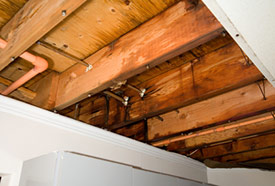
If you’re experiencing scenes like this in your home or business, it’s time to get professional help with mold treatment. Damage to walls, floors, and ceilings as well as exposure to an unhealthy environment requires immediate attention.

About Mold

The Environmental Protection Agency (EPA) has compiled a list of the things you need to know about mold. This short list provides an idea of how important it is to address mold issues as soon as possible.

  • Mold causes known health issues when humans are exposed to moldy areas, including upper respiratory problems, asthma, and allergic reactions.
  • The key to controlling mold and spores indoors is by controlling the moisture. This means eliminating sources of moisture.
  • Support the reduction of indoor humidity by using dehumidifiers, exhaust fans in the kitchen, and air conditioners. Reducing moisture may also require venting areas that generate moisture such as the bathroom and laundry room.
  • Remove mold by cleaning with a solution of detergent and water, and allow to dry.
  • Replace absorbent materials, such as ceiling tiles, that are moldy.
  • Install adequate insulation to reduce the risk of condensation accumulation on cold surfaces.
  • Do not install carpeting in areas susceptible to moisture such as in the bathroom.
  • Mold is not limited to just building materials. Some species of mold can grow anywhere moisture is present including carpet, paper, and wood substances.

Don’t let mold get hold of your home or business. With specialized mold treatment methods available from Stern Mold (versus standard destructive remediation processes), your property can be free and clear of unhealthy spores. Contact us using our convenient online form or call us to set up a free inspection.

Did You Know That Your Landlord Does Not Have to Treat for Mold in NYC

Landlords Don't Have to Treat for Mold

Landlords Don’t Have to Treat for Mold

Landlords should always take mold seriously but, unfortunately, not all of them do. Mold can spread very quickly and cause serious health problems. People tend to think of mold as a problem that strikes in wet climates, but the truth is that mold can happen just about anywhere. A spill that isn’t cleaned up quickly, or a leak that is left unattended can both lead to a serious problem.

Is Mold A Landlord’s Responsibility in New York City?

You might be tempted to think of a mold problem as being your landlord’s responsibility, but if you live in New York City, you’ll be surprised to find out that it’s not. There are currently no federal laws that require landlords to act quickly or even at all if one of their properties has a mold problem. However, the city is in the process of making it much easier for tenants to report issues with mold. They are also giving tenants information about what they can do expedite the process of getting mold treatment when it is needed.

Recommendations for Tenants

If a tenant feels that mold treatment is needed, there are some steps that can be taken to encourage the landlord to take care of the problem. Tenants can do one of two things:

1. Withhold their rent money until the mold problem is taken care of.

2. Repair the mold problem and deduct the cost of the repairs from the amount of rent that is usually paid.

Both of these are acceptable. If you have a serious mold problem, know your NYC tenant rights for mold, and contact Stern Mold to get a quick resolution.

« Older Entries Recent Entries »