Category Archives: Mold Treatment

Stern Mold’s Unique Patented MoldExterm System

Made to Keep mold Out Long After We're Gone!

Made to Keep mold Out Long After We’re Gone!

When you hear about northern NJ and NYC mold treatment, it probably conjures up a nightmare of days or even weeks dealing with torn-up walls and technicians traipsing through your home or business. Once it’s over, you can’t even rest assured that mold won’t return.

Our unique, patented MoldExterm system brings mold removal into the 21st century. It’s less intrusive and more effective than traditional remediation, and it continues to repel mold long after the process is completed.

How Does MoldExterm Work?

MoldExterm is based on cutting-edge technology developed by Dr. Leonard Pinchuk, a biomedical engineer whose many accomplishments include invention of the angioplasty balloon. Dr. Pinchuk created the sturdy polymer that is the primary ingredient in MoldExterm, which kills mold while leaving a foundation that fights off future infestations.

In the first part of the two-step MoldExterm process, a powerful anti-microbial solution is applied to clean, disinfect and deodorize the affected surfaces. Afterwards, the area is treated with our proprietary polymer sealer that continues to repel mold, mildew and bacteria.

Benefits of MoldExterm

• No materials are removed, which also means there is no leftover debris.

• Our skilled technicians can often complete treatment in just one day.

• The patented polymer seal keeps surfaces sterilized and mold-free.

• Our services include a comprehensive warranty for your peace of mind.

• MoldExterm is usually less expensive than traditional remediation.

Stern Mold Provides Quick, Effective and Eco-Friendly NYC Mold Treatment

If you suspect the presence of mold in your home or business, don’t wait until you’re sure. Contact us today and schedule a free mold inspection by our friendly and professionally trained technicians.
Mold in the Workplace – Rights and Responsibilities

Mold Can Cause Sickness and Allergic Reactions. Keep Your Staff at Their Best by Being Mold Free!

Mold Can Cause Sickness and Allergic Reactions. Keep Your Staff at Their Best by Being Mold Free!

Residential mold problems have been the subject of many news stories, but commercial buildings are not immune to the risk of infestation either. The Occupational Safety and Health Administration (OSHA) counts mold as a health and safety risk in the workplace along with asbestos, toxic metals and other dangers.

Combating Mold in the Workplace

OSHA is charged with enforcing the government statutes requiring companies to maintain “safe and healthful workplaces” for their employees. Mold is found naturally in the environment, so there are currently no standards in place for maximum acceptable levels, but it is considered a recognized health risk.

Mold feeds on organic matter, which presents an indirect risk. It can eat away at building materials and cause structural damage, compromising the safety of employees.

Water is the key element for mold growth, so businesses with kitchens and areas with excessive dampness are likely candidates for infestations. HVAC systems and plumbing should also be inspected regularly for signs of leaks and other damage.

Mold Treatment Guidelines

OSHA’s guidelines include recommendations for effective mold treatment:

• Mold removal professionals should be consulted before starting any course of action.

• Surfaces should be lightly misted beforehand to suppress dust.

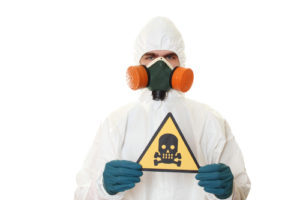
• Cleanup workers should use personal protection equipment such as gloves, goggles and masks.

Effective Mold Treatment for Commercial and Residential Buildings

Stern Mold provides thorough and efficient mold removal services for home and business owners in NYC, Long Island and northern NJ. Visit our website for more information about our eco-friendly, non-intrusive MoldExterm system and find out how you can schedule a free mold inspection for your building.


What Doctors Treat Mold Related Illnesses?

What Doctor Treats Mold Related Illness?

What Doctor Treats Mold Related Illness/

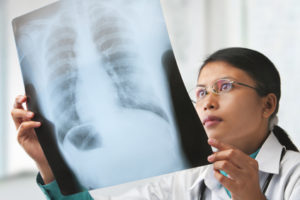
The symptoms of mold-related illnesses often vary by individual. Mold exposure affects people differently and may cause several systems in a person’s body. While some people may exhibit multiple symptoms, others may show few or none. There are countless stories of doctors giving patients one diagnosis after another because they do not know how to identify mold-related illnesses.

Be informed about mold and your health. When you or a loved one is seriously ill, you do not want to rely on someone’s best guess. You need the most accurate diagnosis possible that is based on the latest information and testing.

Mold-related illnesses

Mycotoxins are the toxic byproducts of mold colonies. These toxins are the main cause of mold-related illnesses. Mold spores, whether toxic or non-toxic, can irritate eyes, sinuses, and worsen asthma for many people. Elderly individuals and others with compromised immune systems are at greater risk of illness due to mold exposure.

When foreign antigens enter and stay in the body of otherwise healthy individuals, their immune systems are constantly fighting back. This can lead to chronic illness, inflammation, allergies, and many other symptoms.

Finding a doctor knowledgeable about mold-related sickness

Technology that can accurately detect mycotoxins in a person has only recently been developed. There are a small number of labs that do mycotoxin testing. For a complete list of doctors who specialize in diagnosing and treating mycotoxin-related illnesses, visit the American Academy of Environmental Medicine. Elimination and prevention of mold are the best methods to avoid mold-related problems. Be proactive about mold and your health. Contact Stern Mold for a free consultation and mold treatment in Northern NJ and NYC.

What Illnesses are Linked to a Mold Problem?

Prevent These Symptoms Now!

Prevent These Symptoms Now!

By now there is a sizable body of evidence about the connection between mold and illness, but do you know what symptoms to watch for? If you or members of your family begin experiencing these signs, consult your primary care physician about a possible mold-related illness.

Upper Respiratory Problems

Since mold spores are inhaled, they most commonly trigger allergic reactions such as sneezing, coughing and itchy, runny eyes. Even people who don’t normally suffer from allergies can have these reactions from excessive exposure to mold. Individuals with immune deficiencies or pre-existing lung conditions can develop more serious issues such as asthma or hypersensitivity pneumonitis.

Unexplained Muscle Pain

Muscle cramps and so-called “pin-prick” pains, in the absence of vigorous physical activity, sometimes occur after contact with mold.

Depression

Researchers have discovered a link between damp, moldy living quarters and depression. At least part of the cause is attributed to the reality of poor living conditions and lack of control over the surroundings.

Digestive Troubles

Exposure to mold can affect your digestive system, resulting in nausea, diarrhea or stomach cramps. Unexplained weight gain can also be a sign of a mold-related illness.

Numbness in Extremities

After contact with mold, some people experience the pins-and-needles sensation identified with numbness in their hands and feet.

Contact Stern Mold for Northern NJ and NYC Mold Treatment

Elimination and prevention of mold are the best methods to avoid health-related problems. Our proprietary MoldExterm system provides effective northern NJ and NYC mold treatment, including application of an eco-friendly barrier that guards against future reoccurrence. Contact us today to schedule your free mold inspection.

Common Mold Types Found in Buildings and Condos

Common Molds

Common Molds

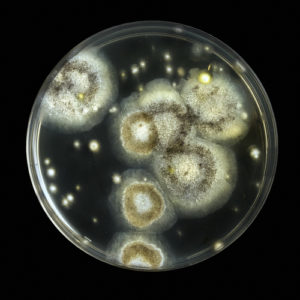
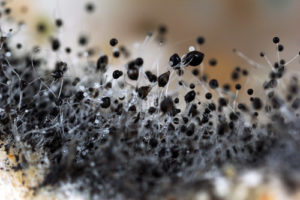
Mold is generic term that covers more than just one type of mold found in buildings and condos. Each mold shares characteristics but the main types have certain identifiable features, all of which require NYC mold treatment.

Alternia

This is the most common type of mold and one of the biggest causes of allergic reactions. Alternia concentrations are highest in the summer when their spores come inside through dry winds.

Aspergillus

This mold is often found as the culprit of mold infestations in buildings. The spores of aspergillus are toxic and exist in higher quantities inside. This toxic mold can cause health issues in humans and animals.

Cladosporium

This mold thrives at nearly all temperatures, including extreme cold. It can be a major cause of asthma attacks.

Penicillium

This toxic mold has a colorful appearance that can be green, blue or yellow. This type of mold contains mycotoxins that humans developed into the beneficial antibiotic of penicillin.

Stachybotrys

Commonly called “black mold,” this type of mold is highly toxic and thrives on cotton, paper and wood. It dominates other types of mold that already have established colonies.

Many forms of mold are impossible to detect without professional assistance. Mold can live in the walls, floors and ceilings of a building without being seen. Even when you can’t see mold, it can cause health issues that require help from NYC mold treatment. Sometimes it can spread unseen for such a long period that it requires intensive treatment and removal. Protecting health and preserving building structures should be the top priority of every property owner.

NYC mold treatment from Stern Mold provides safe, effective mold removal solutions.

« Older Entries Recent Entries »