
Category Archives: Mold Treatment

Mold 101: What Is a Mycotoxin from Mold?
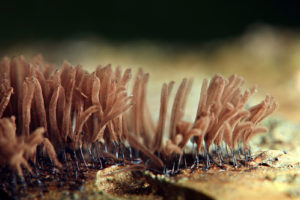
Close-up of Mold Mycellium

Close-up of Mold Mycellium

Much of the risk associated with indoor infestations of mold and fungus is due to substances called mycotoxins. You probably recognize that the root word “toxin” refers to poison, but what else do you need to know about these potentially harmful substances?

How Mycotoxins are Ingested

Mycotoxins are invisible to the naked eye. They can be as small as 0.1 microns, making them even more microscopic than mold spores, which range from one to 20 microns. Their minute size and airborne nature make it impossible to create an effective barrier.

Most mycotoxins enter through the respiratory system, where they can cause problems ranging from sneezing and coughing to asthma attacks. Others pass through skin or the membranes of the eyes, while toxic mold on crops can result in people or animals ingesting mycotoxins via food.

Treating Mycotoxins

You may hear talk about killing mycotoxins, but they are not living organisms, so the process really involves breaking down mycotoxins and neutralizing their toxicity.

• Bleach that includes five percent sodium hypochlorite kills some of the more common mycotoxins, including trichothecene and aflatoxin.

• The intense heat of fire can destroy mycotoxins. At 500°F, detoxification takes 30 minutes.

• Ozone is effective against most mycotoxins, but it requires a level that is unsafe for humans.

Mycotoxins will eventually break down on their own, but it can take several years for some varieties.

Traditional mold remediation can disperse spores and mycotoxins into the air, allowing them to settle and take hold in other areas. Our MoldExterm process removes mold and fungus quickly and efficiently while preventing future outbreaks. Contact Stern Mold today for a free mold inspection.
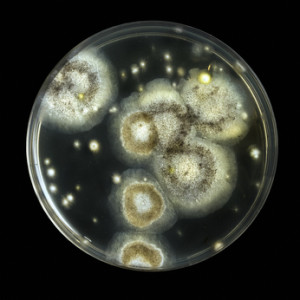
What Does Toxic Mold Look Like?

Don't let your home become a petri dish.

Don’t let your home become a petri dish.

There are many different types of mold and most of them are not a problem. But toxic black mold is, and here is what it looks like and where you’ll find it.

Black Mold

Black mold can be in streaks, clumps or patches. It may first appear to look like black dirt, black ink or black paint, which smears easily if wiped with a rag. When dried, it looks like flaky black dandruff and it will either be in large pieces or tiny spots.

Where to Find It

Toxic black mold needs moisture to survive. Which means you are most often going to find it in bathrooms, laundry rooms, around pools and spas, and even basements or crawl spaces that have high humidity.

Leaky pipes that drip or spray, are also prime areas for black mold, especially where it has been undetected and going on for a long time, like in closets, cabinets or under counters.

Another prime area is from dripping room air conditioners. These drips can get behind walls and paneling, and cause a major toxic black mold infestation that you may not even realize you have until it’s too late.

Mold Treatment

Mold treatment is a top priority for any toxic black mold infestation. If you have noticed toxic black mold, don’t take any chances. Just rely on the professionals at Stern Mold to rid your house or home of toxic black mold. We’re part of the Stern Environmental Group, and will answer all of your questions or schedule a free mold inspection for your residence. We have been serving the New Jersey, New York City, and Long Island area since 1995.

Mold 101: How Can I Remove Mold from Carpet?

Interior mold is usually depicted as growing on surfaces like walls or bathtubs. Even though it’s not visible, mold and fungus can affect carpeting as well. Is there any effective treatment or remedy?

What are mycotoxins?

Mycotoxins are toxic substances that are by-products of mold. At 0.1 microns in width, they are even more minute than mold spores. Human hair is approximately 100 microns wide, which gives a sense of the relative size of mycotoxins.

Health effects of mycotoxins

When you are exposed to toxic mold such as Aspergillus, which is one of the most common types found indoors, mycotoxins are ingested through the respiratory system. Mycotoxins from Stachybotrys, also referred to as black mold, can be absorbed through the skin as well.

Removal and treatment

As mycotoxins settle in carpet fibers, footsteps stir them up into the air where they can be ingested along with mold spores and allergens. A HEPA-filtered vacuum cleaner can remove the spores, but mycotoxins are small enough to pass through the vacuum and back out though the exhaust. Replacing the carpet is the only sure way to get rid of mycotoxins.

If you have been exposed to mycotoxins, take a long, hot shower with plenty of soap. Hair can trap mycotoxins, so you should also thoroughly shampoo.

Effective mold treatment in New Jersey

When it comes to mold and fungus treatment, don’t take a chance on doing an incomplete job. Our proprietary MoldExterm system removes mold thoroughly while leaving a sealant that prevents future infestations. Visit our website to learn how you can schedule a free mold inspection.

Mold 101: What Does Mold Smell Like?

Does your home have an unpleasant odor, but you can’t seem to pinpoint the source? It could be that your sense of smell is sending notice that your house needs mold treatment.

Is Mold Causing That Strange Odor?

You may think you’re alert to the presence of mold, but it doesn’t always cooperate by growing in a visible area. The smell is a tip-off that mold may be forming in an out-of-the-way place.

Mold emits gases called microbial volatile organic compounds, or MVOC. While many are odorless, some have the distinctive musty odor that’s identified with mold.

The Dangers of Mold

While the smell is highly unpleasant, it’s really the least of the problems presented by interior mold growth. In addition to the gases produced by mold, you are inhaling other potentially toxic emissions as well as mold spores.

These invisible, airborne particles can cause chronic upper respiratory problems such as sinus infections, sore throats and watery, itchy eyes. Some people experience depression, digestive difficulties, fatigue and other more serious health issues.

Treat the Cause, Not the Symptom

It will take more than air fresheners and scented candles to remove the smell. All they do is mask the odor. The underlying problem needs to be addressed with effective mold treatment.

Don’t wait until you see mold on your walls, fixtures or furniture. If you suspect an infestation, contact the professionals at Stern Mold for a free inspection. We have been serving the New Jersey, New York City and Long Island areas for more than 20 years.

Should You Attempt to Remove Mold in Your Home?

The answer requires an understanding of which type of mold you have. To reduce health risk and be certain, this is a question for your mold treatment professional. But there are a couple of things to look for that will help you make a decision.

Topical Mold

Topical mold is generally found in damp places that are not organic. Things like bathroom tiles, tub surrounds, plastic door and window thresholds, even mold on the surface of paint are all topical types of mold.

In most cases, a dedicated mold eating enzyme or a bleach solution of 1 part bleach to 9 parts water, should do the trick. You may have to scrub a bit, and always wear a face mask if you attempt this. In most cases, you’ll be able to successfully remove the mold.

Deep Seated Mold

Deep seated mold is generally found on organic substances. Drywall, wooden flooring, wall studs, plywood and the like, are considered organic substances.

What this means is that mold can actually penetrate these materials, which means that just wiping them away is not going to get rid of it. The mold will literally be growing beneath the surface, and in this instance, the only effective way to rid yourself of this type of mold problem is to call in a professional.

If you have any questions about topical or deep seated mold treatment issues in your residence, you can rely on the professionals at Stern Mold. We are part of the Stern Environmental Group, and we will answer all of your questions or do a free mold inspection. We have been serving the New Jersey, New York City, and Long Island area since 1995.

« Older Entries Recent Entries »