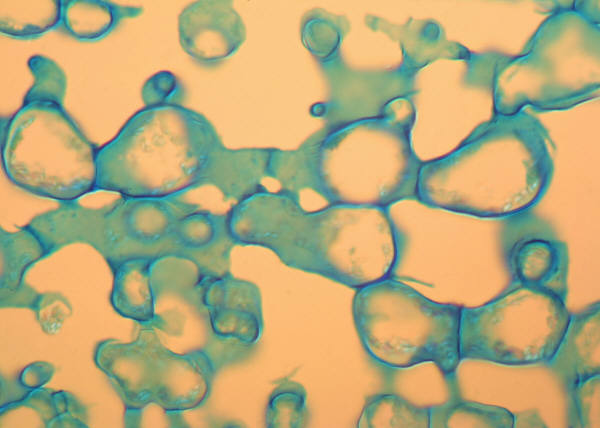
What is the Issue with Mold Spores?

Mold Spores

Mold Spores

Most people are aware that mold is a part of nature that should remain outdoors. However, spores are the real basis of the problem. They’re the primary reason why an infestation can be so difficult to battle. What makes these seemingly harmless cells so dangerous?

You may remember from high school biology that spores are the means by which mold and fungus propagate. These microscopic organisms travel unfettered throughout the atmosphere, reproducing once they land in an area with the right conditions. This is one of the reasons you’ll often see mushrooms in many of the same places where you find mold.

When it comes to “the right conditions”, tops on the list is a damp place. Mold and fungus need water to grow. Since spores aren’t visible to the naked eye, there’s no way of preventing them from coming to rest in your shower or on a basement wall.

Spores are also the cause of the health threat presented by infestations. Mold itself is not particularly harmful. Allergic reactions and other issues arise when mold spores are inhaled, causing irritation to linings in the upper respiratory system. Some people are highly sensitive to these effects, while others may develop an allergy after prolonged exposure. Studies have also demonstrated a link between exposure to mold spores and development of asthma in children.

Traditional mold remediation can actually aggravate the problem by causing spores to disperse more widely. With the MoldExterm system, affected surfaces are encapsulated and treated with a non-micron mist for safe, effective removal. Visit our website to schedule a free mold inspection from our trained technicians.


What Makes Mold Grow?

What Makes Mold Grow?

What Makes Mold Grow?

Effective mold treatment is more than just removing the visible signs of infestation. Conditions need to be adjusted in order to make your home or building a less hospitable site for mold growth. Understanding the process helps you take steps to prevent future infestations.

Mold is a common sight outdoors in the vicinity of organic matter such as trees and foliage. They multiply via microscopic spores that are easily transmitted through the atmosphere. While they’re almost always present indoors, in most cases they don’t present a problem.

Remember the science class experiment where you grew mold in a petri dish? This activity demonstrates the three elements necessary for mold spores to multiply: moisture, warmth and food. The agar base provided the nutrients and moisture, and the sealed dishes were placed in a warm, dry place to incubate.

Once a mold spore settles on a damp spot in your home or building, it’s ready to start reproducing. The warmth and moisture found in bathrooms and kitchens makes those rooms the usual suspects. Damp, dark basements can also be easily infested. While the spores feed primarily on organic materials, they also thrive on cellulose which is found in carpeting, paper (including wallpaper) and dry wall.

Controlling moisture is the key to successful mold treatment. Our proprietary MoldExterm process does this with a two-step method. The affected surfaces are treated with an anti-microbial solution and then coated with a powerful polymer that springs into action when needed. Contact us to learn more about how MoldExterm can safely end your building’s mold problem.

Can Mold Exposure Cause Asthma?

Lungs And Mold

Lungs And Mold

One of the reasons effective mold treatment is so important is the negative health effects for the home or building’s occupants. The microscopic spores drift through the atmosphere where they can be inhaled with each breath. The greater the concentration, the stronger the effect.

Upper respiratory problems are a common result of interior mold growth. The spores irritate the linings of the throat and nasal passages causing symptoms such as coughing, sneezing and itchy, watery eyes. Intensity varies based on an individual’s particular sensitivity, which can become more acute with extensive exposure.

People with chronic lung illnesses such as asthma are at higher risk for mold allergies. Exposure can trigger an attack accompanied by coughing and wheezing. But can mold exposure actually cause an individual to develop asthma?

There is currently no evidence showing a direct link between mold and asthma in adults. However, a government-funded study has shown a correlation between mold exposure and the development of asthma in children. Out of 289 infants with an average age of eight months, 24 percent developed asthma by the age of seven.

The study focused on the homes’ Environmental Relative Moldiness Index, or ERMI. Researchers discovered that high ERMI values put the children at risk even when there was no visual evidence of mold.

Traditional mold remediation can further disperse mold spores, actually aggravating the problem. Our proprietary MoldExterm mold treatment encapsulates the affected surfaces for non-toxic removal. Don’t put the health of your family or others at risk. Visit our website to schedule an appointment for a free mold evaluation.

The Real Problem with Mold

Mold Where It Should Be

Mold Where It Should Be

Mold suffers from a bad reputation, but it actually serves a valuable purpose outdoors. It acts as Mother Nature’s recycler, breaking down organic materials  like dead trees. The problem with mold arises when stray spores drift indoors and latch onto a damp surface.

You actually encounter mold nearly every day, although you’re not aware of it due to the microscopic size of the spores. The reason they become a problem indoors is because there’s not enough ventilation to diffuse the spores as there is outside.

Once mold becomes established indoors, you’re at risk for a wide variety of health problems. Most of them are allergic reactions affecting the upper-respiratory system, such as sneezing and itchy, watery eyes. Inhaling mold can cause irritation in the nose, throat and lungs even in non-allergic individuals. Coming in contact with a mold infestation can also cause a skin rash.

Mold can be harmful to the health of your home or building as well. It can begin decomposing surfaces just as it does with outside materials. For instance, a leak in a wooden window can cause the frame to rot. Negative effects include increased energy costs and expensive window replacements.

If you suspect you have a mold problem, you may be picturing the drastic process of traditional remediation which involves physically removing any affected surfaces. Our innovative MoldExterm system safely and effectively removes mold and adds a polymer sealer to prevent future infestations. The process is usually completed with a day, causing less interruption to your daily activities. Call 888.887.8376 to schedule a free mold inspection.

Am I Reacting to Mold? What Are the Symptoms?

Mold in an Office Building is No Problem for Us

Mold in an Office Building is No Problem for Us

People are often initially unaware of a mold infestation in their building because it’s not always immediately visible. The first suggestion of a possible problem may come from physical symptoms that develop after exposure to the mold spores. Learning to recognize the more common symptoms can help alert you to the necessity for mold treatment.

Mold is an important part of the ecosystem and you’re likely to be exposed to it on a daily basis without any negative effects. Problems arise when mold gets a foothold indoors, where limited ventilation can’t prevent a concentrated build-up. As a result, you and others in the home or building end up inhaling significant quantities of mold spores.

According to the Centers for Disease Control and Prevention (CDC), exposure to mold causes primarily upper-respiratory ailments such as wheezing, nasal stuffiness and itchy, watery eyes. Intensity of the symptoms can vary based on an individual’s particular allergies or sensitivities. However, the Institute of Medicine (IOM) has found sufficient evidence to demonstrate that mold can cause upper-respiratory ailments in otherwise healthy people.

Another serious matter concerns the effects of mold exposure on children. The IOM data showed that healthy children are also susceptible to the upper-respiratory symptoms. In addition, studies have found evidence of a link between early exposure to mold and the development of asthma.

Traditional remediation methods can actually aggravate mold-related health problems by dispersing mold spores into the environment. Our innovative MoldExterm mold treatment concentrates on killing the fungus and preventing its return. Visit our website to schedule a free mold inspection and evaluation of your property.

Recent Entries »